News Center
Shandong Zhensure New Materials Technology Industry Co., Ltd.


 +86 199 5311 4255


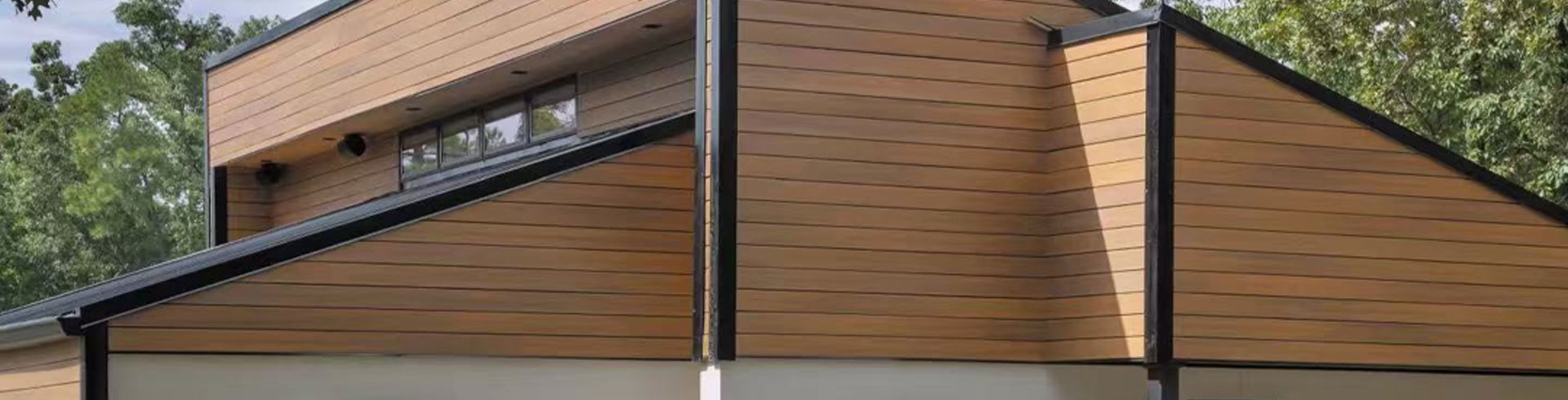
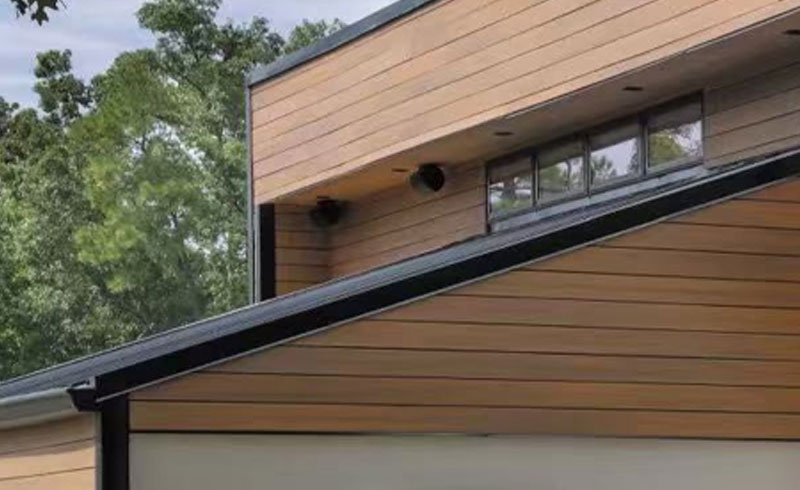
When selecting WPC (Wood Plastic Composite) decking for a project, buyers are often faced with a fundamental choice right from the sta
rt: hollow or solid core profiles. While they may look similar on the surface, this internal structural difference significantly impacts performance, cost, and ideal application areas. At Zhensure, a leading Chinese manufacturer specializing in high-performance WPC solutions for global markets, we believe that understanding this core distinction is key to specifying the perfect material for your needs. This guide will explore the differences between hollow and solid WPC decking to help you make an informed decision.
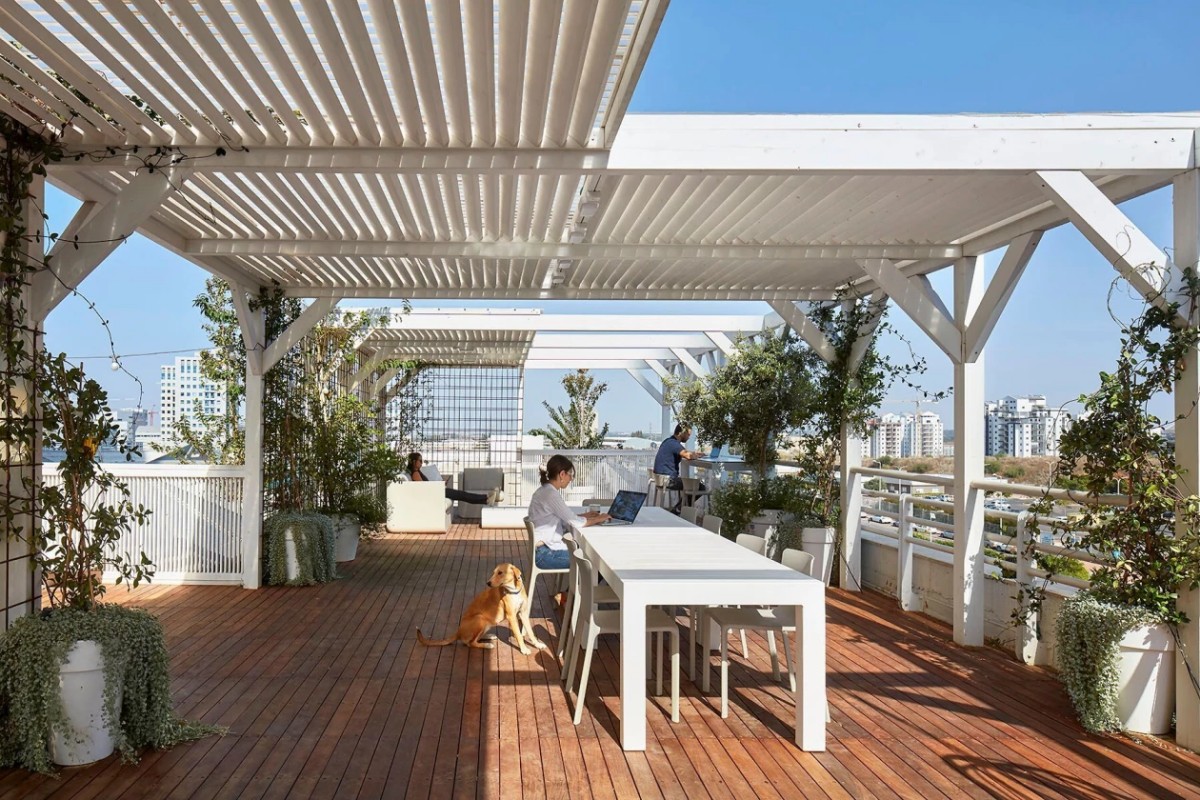
Understanding the Core Difference: Structure Defines Application
The primary classification of WPC boards lies in their cross-sectional design. Hollow profiles feature a multi-chambered, lightweight structure, while solid profiles are, as the name suggests, completely dense. This simple difference dictates their strengths and best-use scenarios.
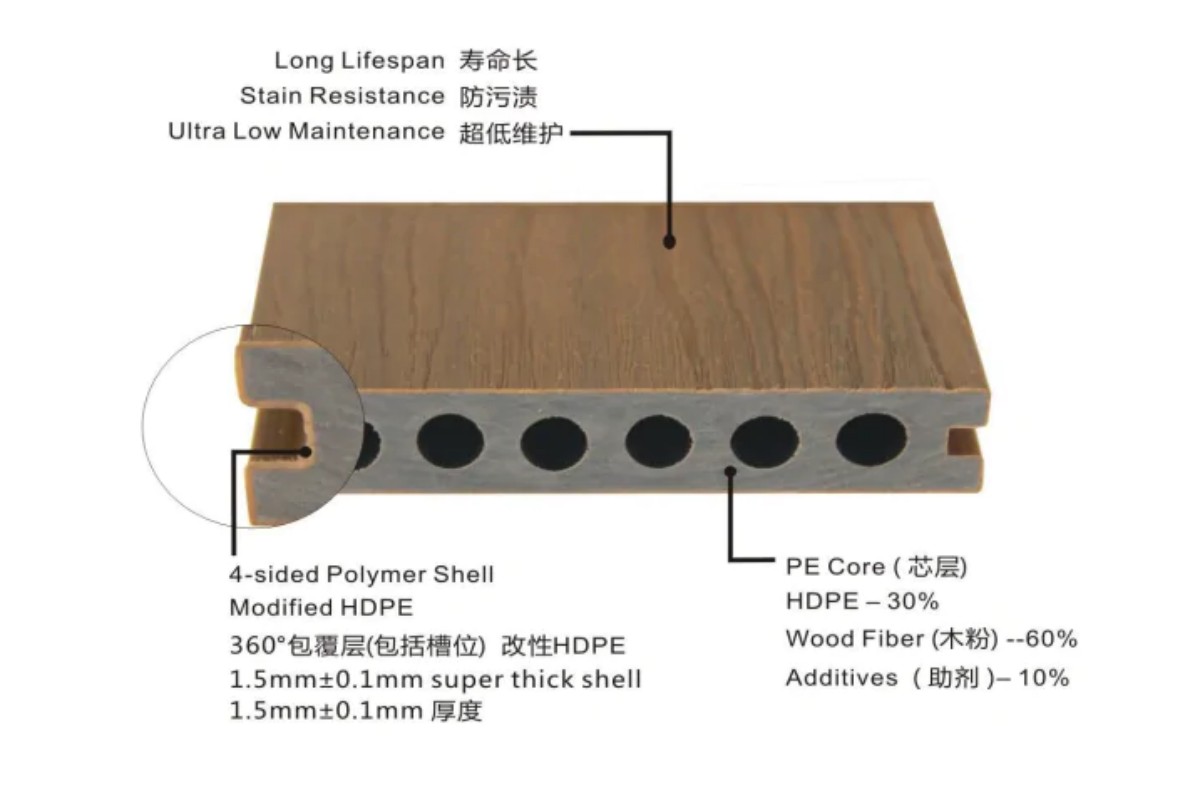
The Strength and Premium Performance of Solid WPC Decking
Solid WPC decking is renowned for its exceptional strength and durability. The dense core provides superior load-bearing capacity, making it the ideal choice for high-traffic commercial applications. Its increased density also contributes to enhanced resistance against impacts and extreme weather conditions.
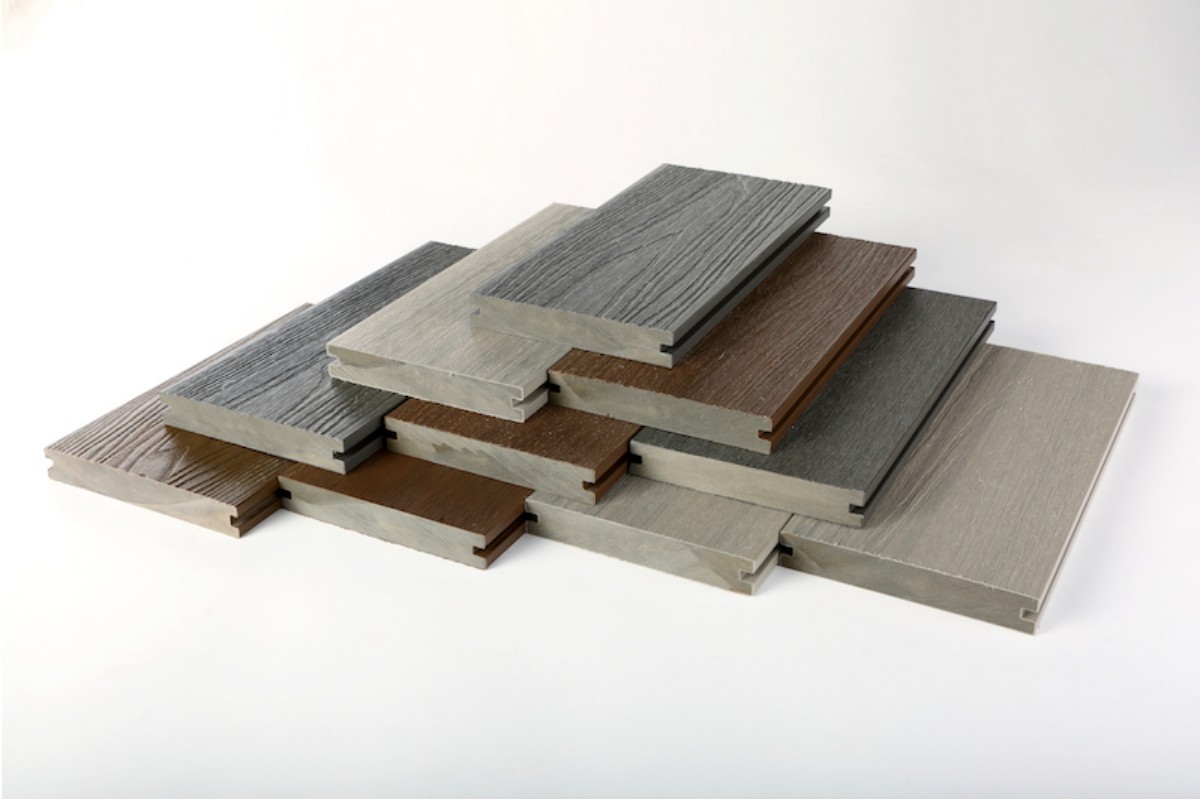
Ideal For: Public parks, boardwalks, commercial plazas, and any area expecting heavy foot traffic or where maximum durability is a priority.
The Versatility and Value of Hollow WPC Decking
Hollow WPC decking offers an excellent balance of strength and affordability. The engineered hollow structure provides remarkable rigidity while reducing material usage, which translates to a lighter weight and more cost-effective solution. It is easier to handle and install, making it a favorite for residential projects.
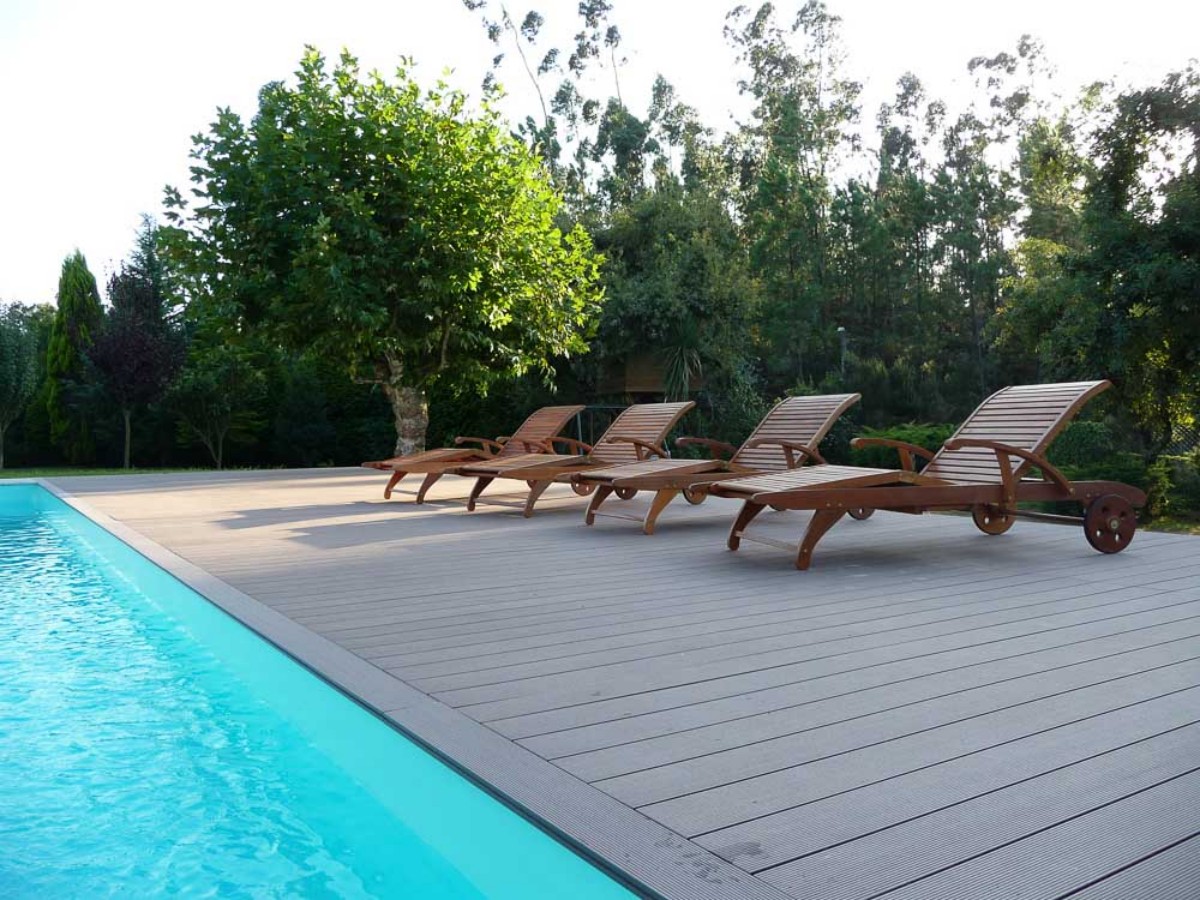
Ideal For: Private gardens, balconies, patios, and residential terraces where excellent performance is required without exceeding the budget. You can explore our range of versatile profiles on our WPC decking product page.
Choosing the Right Surface: Co-extruded vs. Non Co-extruded
Beyond the core, the surface technology is crucial for longevity. Standard non co-extruded WPC has a realistic wood-grain texture but is more susceptible to surface wear over time. For superior protection, Zhensure recommends co-extruded WPC. This advanced type features a durable polymer cap layer that provides outstanding resistance to moisture, UV rays, stains, and mildew, ensuring the deck retains its beauty for years with minimal maintenance.
Perfect Applications for Your WPC Decking
Choosing the correct profile ensures project success:
Residential Havens: Both hollow and solid WPC are perfect for creating beautiful, low-maintenance outdoor living spaces in homes and villas. For areas around pools, co-extruded solid WPC is highly recommended.
Commercial Spaces: Enhance office building rooftops, hotel terraces, and restaurant courtyards with the robust performance of solid WPC decking.
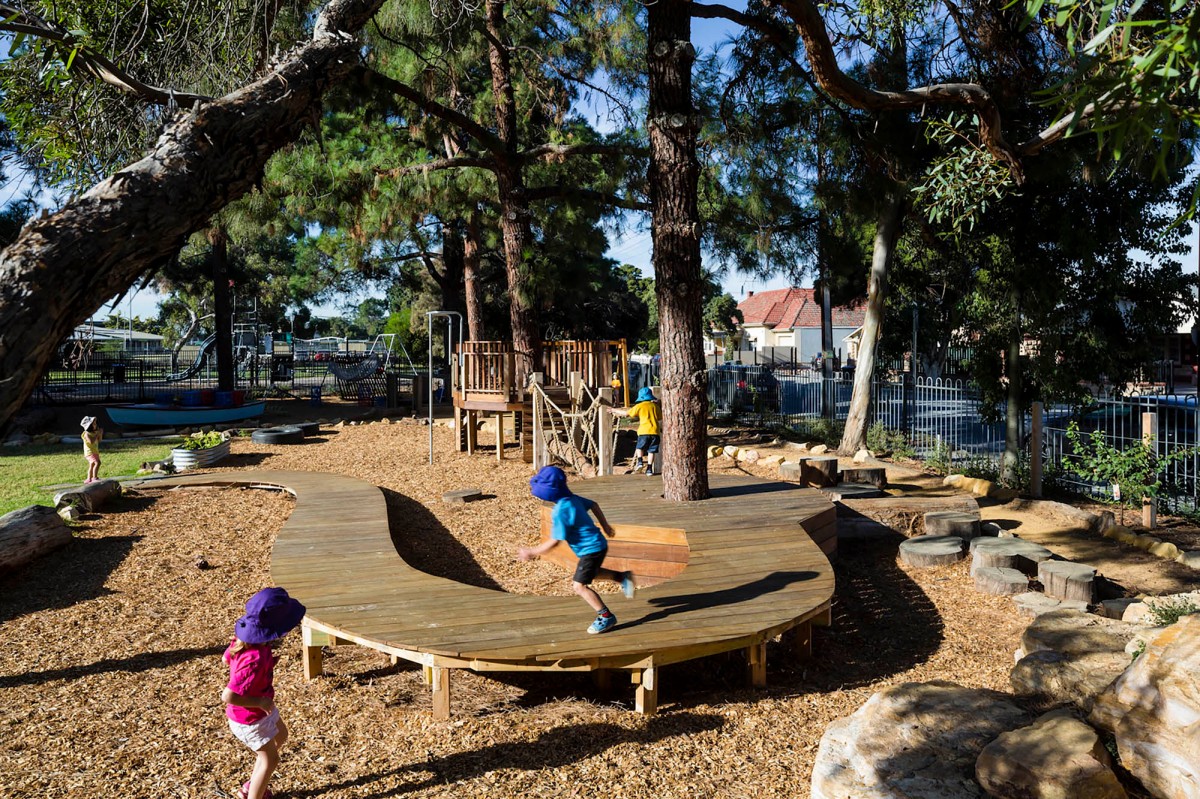
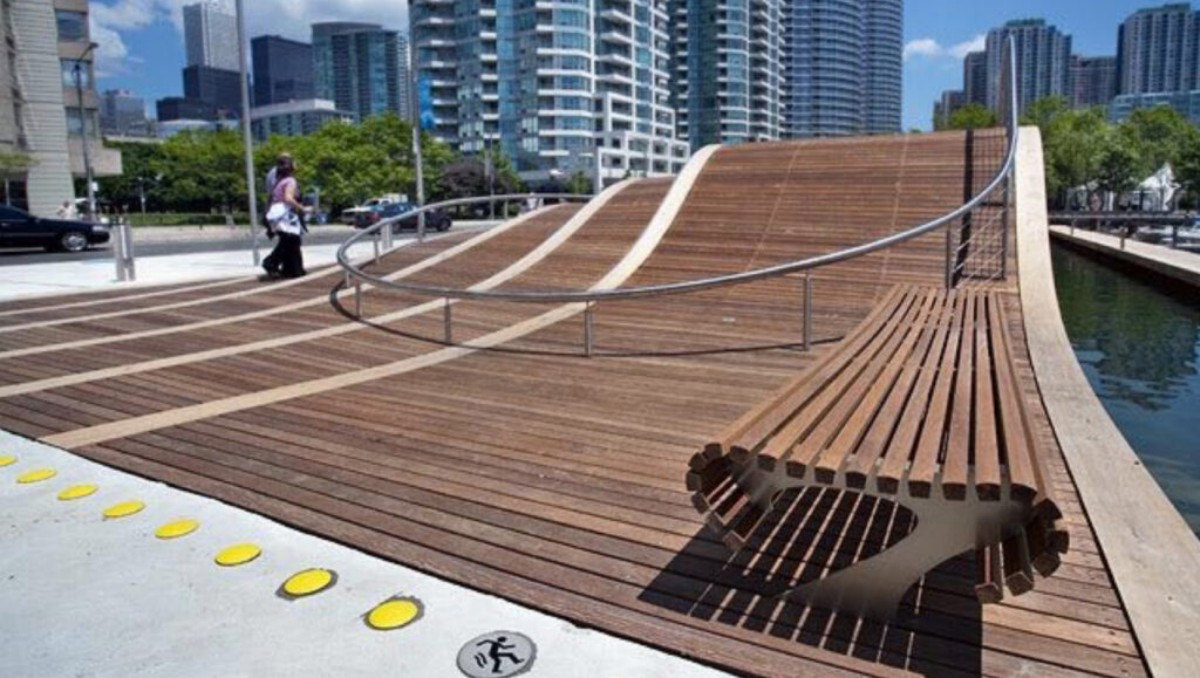
Public & Coastal Projects: Parks, school grounds, and especially coastal boardwalks benefit immensely from the durability and moisture resistance of high-grade solid WPC materials.
Conclusion
The decision between hollow and solid WPC decking ultimately hinges on the specific demands of your project, balancing factors like budget, expected load, and location. By understanding the distinct advantages of each type, you can confidently select a material that delivers both performance and value. As a trusted factory with extensive export experience, Zhensure is committed to providing importers and distributors with premium-quality WPC solutions tailored to diverse market needs. Partner with us to supply your clients with the ideal decking for every application.
A European client recently purchased samples to test our second-generation co-extruded WPC decking (138×23mm, round-hole profile). The client was particularly interested in the decking's compressive strength and load-bearing capacity. To better meet the client's needs, our factory conducted tests and provided clear, data-backed results.
A new batch of WPC wall panels has recently been completed and prepared for shipment to an overseas customer. For international building material orders, the quality of the products is only one part of the process. Proper inspection, protective packaging, container loading, and transportation arrangements are also essential to ensure that the wall panels arrive safely and maintain their original appearance.
A recent inquiry from the Czech Republic has resulted in a successful order for our solid WPC decking. The customer discovered our website through Google and submitted an online inquiry after becoming particularly interested in our solid wood-plastic composite flooring. After receiving the inquiry, our team quickly contacted the customer to understand his project requirements, preferred product specifications, and concerns about installation and long-term outdoor performance.
Recently, two US clients placed orders for our WPC composite flooring and wall panels within a short period. This swift purchasing decision reflects the growing interest in wood-plastic composites for modern residential and commercial décor.
Recently, a customer from the UK contacted us because he was planning to renovate his outdoor garden but was unsure about which material and color would be the best choice for his project.