News Center
Shandong Zhensure New Materials Technology Industry Co., Ltd.


 +86 199 5311 4255



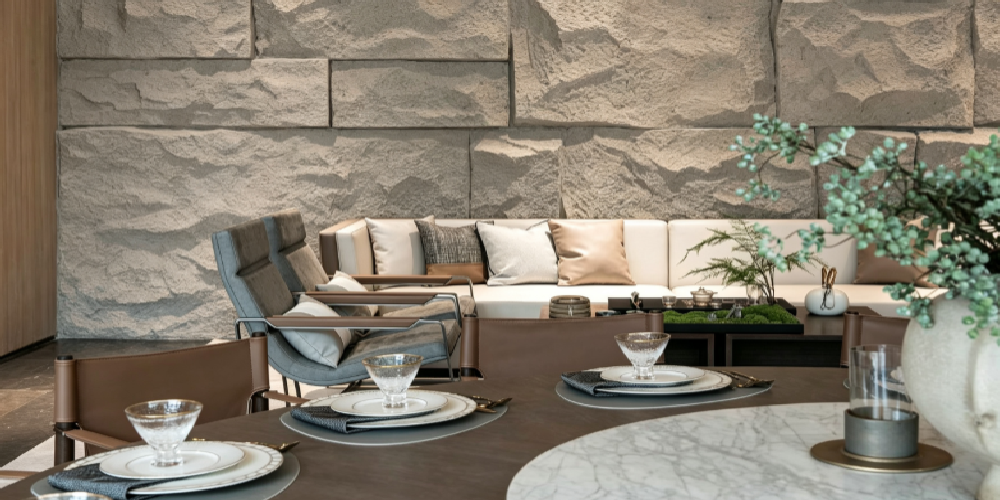
PU stone wall panels are increasingly used for interior decoration because they can create the appearance of natural stone while being lightweight and easy to install. Although PU stonerequires much less maintenance than many traditional wall materials, regular cleaning is still important for keeping its texture, color, and decorative finish in good condition.
A suitable PU Stone Cleaning & Maintenance routine does not need to be complicated. The most important principles are to use gentle cleaning methods, avoid aggressive chemicals, and prevent excessive moisture from reaching the back of the panels.
Removing Everyday Dust from PU Stone
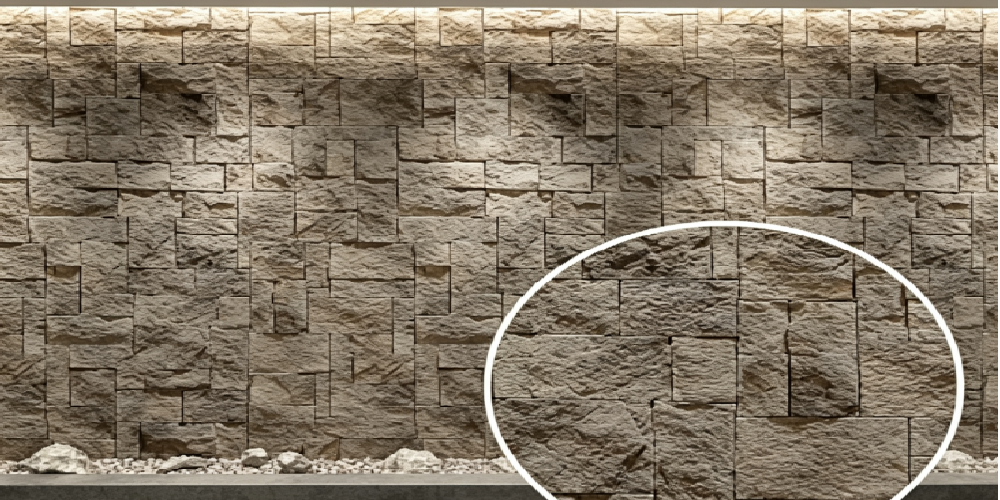
Dust is the most common type of dirt found on PU stone wall surfaces. Because PU stone panels often have realistic stone textures and recessed areas, dust can gradually collect inside the grooves.
For routine cleaning, start with a dry microfiber cloth or another soft, lint-free cloth. Gently wipe the surface to remove loose dust without applying excessive pressure.
For textured areas that are difficult to reach with a cloth, a soft-bristled brush can be useful. Another convenient option is a vacuum cleaner equipped with a soft brush attachment. Move the brush gently across the textured surface rather than pressing it firmly into the panel.
Cleaning Light Dirt and Surface Marks
When simple dusting is not enough, a mild cleaning solution can be used.
Prepare a small amount of warm water and add a neutral, non-abrasive detergent. Moisten a soft cloth with the solution and wipe the affected area carefully.
It is better to apply the cleaning solution to the cloth rather than pouring liquid directly onto the PU stone panel. After cleaning, use a clean cloth dampened with fresh water to remove any remaining detergent, then dry the surface.
Avoid soaking the wall. PU stone may be moisture-resistant, but excessive water can enter gaps or joints and potentially affect the adhesive or backing material.
Handling More Difficult Stains
Some marks may remain after ordinary cleaning. In this situation, avoid immediately switching to harsh chemicals or abrasive tools.
A soft cleaning sponge, such as a melamine-type cleaning sponge, can be used carefully on particularly stubborn marks. Apply only light pressure and test it first on a small, inconspicuous section.
Do Not Use Abrasive Cleaning Tools
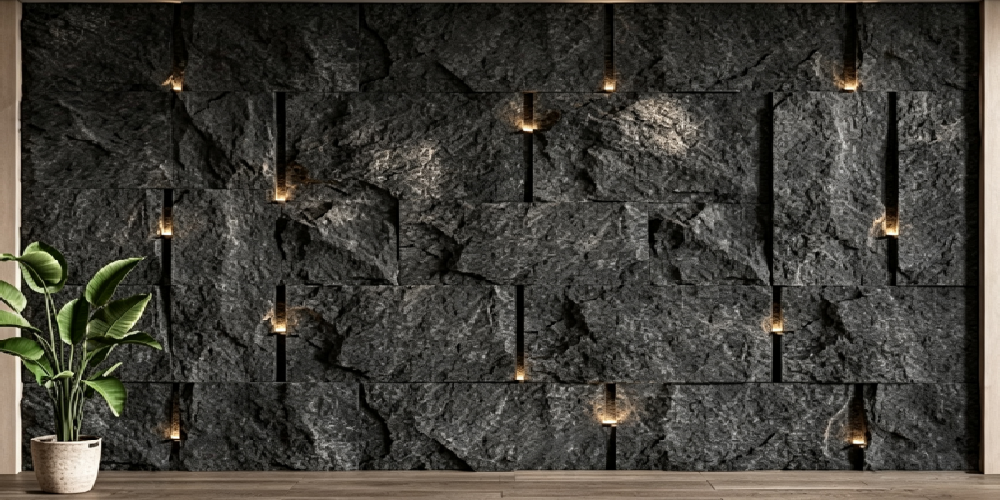
Steel wool, hard brushes, metal scrapers, and other abrasive materials should not be used. They may leave scratches or wear down the decorative texture.
Soft microfiber cloths, soft sponges, and soft-bristled brushes are safer choices for routine maintenance.
A Simple Maintenance Routine for PU Stone
Keeping PU stone looking attractive is mainly about regular, gentle care. A practical maintenance routine can include:
Step 1: Remove loose dust with a microfiber cloth or soft vacuum brush.
Step 2: Clean light dirt using warm water and a neutral detergent.
Step 3: Use a soft brush to clean dust or dirt from textured grooves.
Step 4: Treat stubborn stains locally instead of applying excessive amounts of cleaning solution.
Step 5: Wipe away detergent residue with clean water.
Step 6: Dry the surface after cleaning and avoid leaving excessive moisture around joints.
Step 7: Inspect the panels occasionally for loose edges, damaged surfaces, or gaps.
With the right PU Stone Cleaning & Maintenance approach, PU stone wall panels can retain their decorative texture and attractive appearance for a long time while requiring far less routine care than many traditional decorative wall materials.
Outdoor spaces are popular for modern homes. A nice deck lets you relax and hang out with friends, and fencing keeps your yard private. Design them separately, and they may not match.
WPC decking and bamboo decking are both popular choices. Although they can both create an attractive outdoor surface, their composition, weather resistance, maintenance requirements, and long-term performance are quite different.
The performance of WPC decking depends on much more than its surface color. Material composition, profile structure, dimensions, drainage, load-bearing capacity, and installation conditions all affect the final performance of a WPC deck.
PU stone wall panels are increasingly used for interior decoration because they can create the appearance of natural stone while being lightweight and easy to install. Although PU stone requires much less maintenance than many traditional wall materials, regular cleaning is still important for keeping its texture, color, and decorative finish in good condition.
WPC Decking has become a popular alternative to traditional timber. From realistic wood textures to contemporary wide boards, several styles are currently attracting strong customer interest.