News Center
Shandong Zhensure New Materials Technology Industry Co., Ltd.


 +86 199 5311 4255


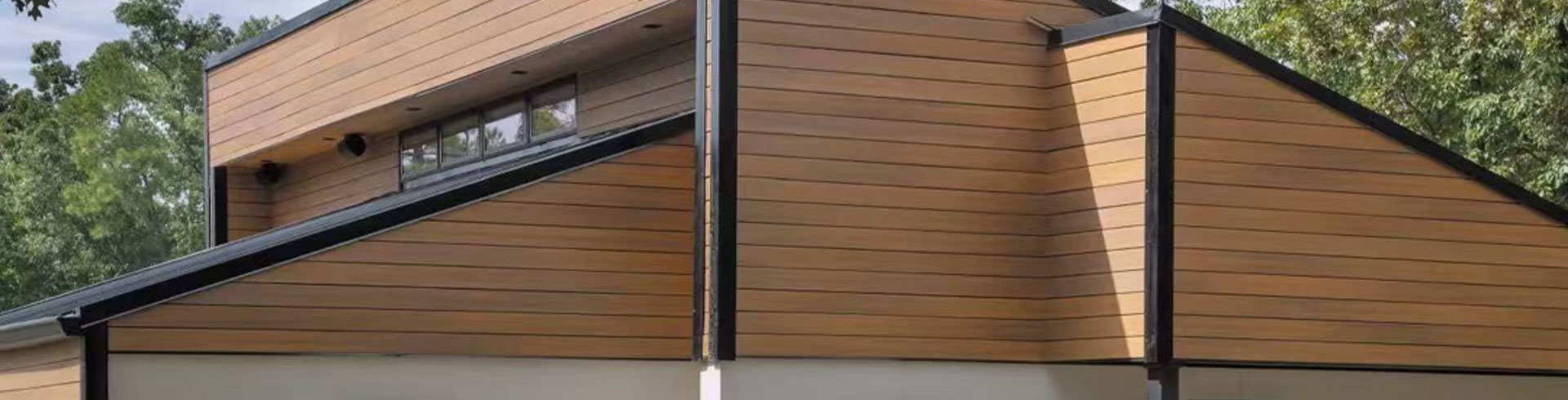
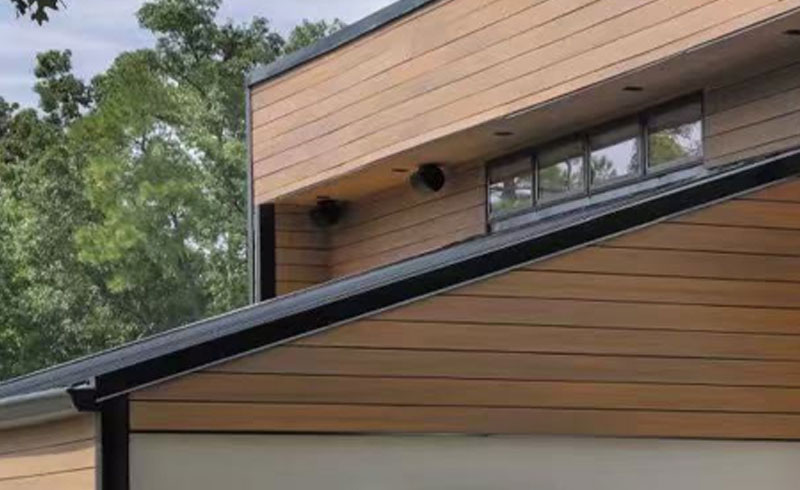
Choosing the right material is one of the most important decisions when planning an outdoor deck. Among the available options, WPC decking and bamboo decking are both popular choices. Although they can both create an attractive outdoor surface, their composition, weather resistance, maintenance requirements, and long-term performance are quite different.
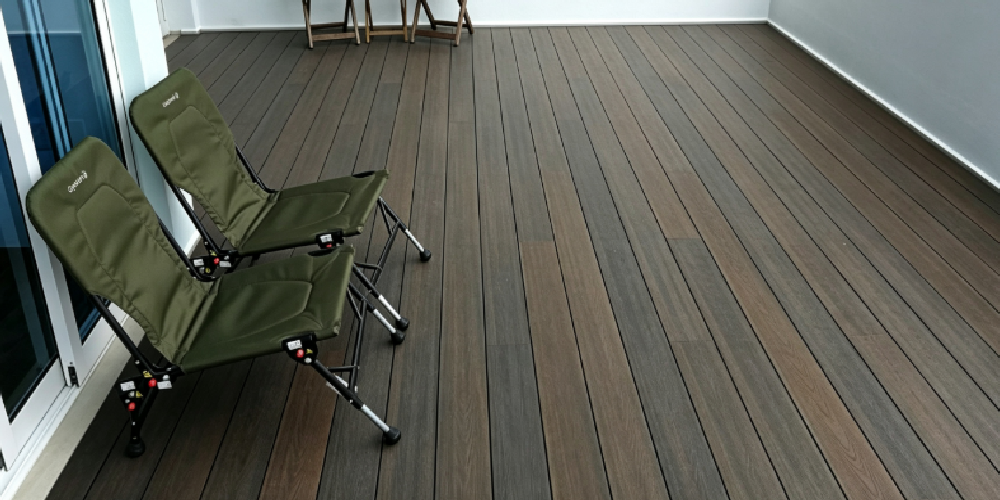
1. Different Materials and Manufacturing Processes
WPC decking, or Wood Plastic Composite decking, is manufactured by combining wood fibers or wood flour with polymers and selected additives. The materials are processed under controlled conditions to form decking boards with consistent dimensions and performance.
Bamboo decking is made primarily from natural bamboo. Depending on the manufacturing method, bamboo may be treated, compressed, laminated, or thermally modified before being formed into decking boards.
The fundamental difference is therefore clear: WPC is an engineered composite, while bamboo decking is based on a natural plant material.
2. Weather Resistance and Durability
Outdoor decking is exposed to sunlight, rain, humidity, temperature changes, and daily foot traffic. This makes weather resistance an important consideration.
WPC decking is designed to resist common outdoor problems such as moisture absorption, insect attack, and decay. Quality WPC boards are also formulated with UV-resistant additives to help maintain their appearance during long-term outdoor use.
For regions with frequent rainfall or high humidity, the complete WPC decking system can provide a practical option when low routine maintenance is a priority.
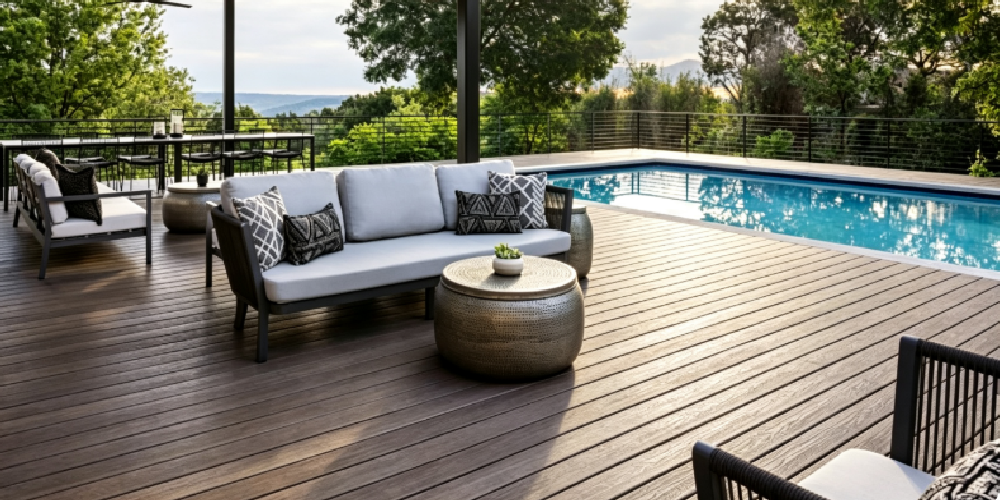
3. Appearance and Design Options
Bamboo decking has a distinctive natural appearance. Its characteristic grain and warm tones can create an organic look that works particularly well with natural landscaping.
WPC decking provides greater flexibility in terms of surface design. Depending on the manufacturer, buyers can choose from different colors, grain patterns, textures, profiles, and board structures. Some products are designed to closely reproduce the appearance of natural timber while offering more consistent color and dimensions.
4. Maintenance Requirements
Maintenance is another major difference between the two materials.
WPC decking generally requires routine cleaning rather than regular painting or sealing. Dust, leaves, and other debris can normally be removed with a brush or suitable cleaning method, while ordinary stains can often be cleaned with water and mild detergent.
Bamboo decking usually requires more attention to preserve its appearance and outdoor performance. Depending on the product and local climate, periodic oiling, sealing, or surface treatment may be recommended.
Therefore, buyers who want to minimize ongoing maintenance should carefully compare the manufacturer's recommended maintenance schedule before purchasing.
5. Installation Considerations
Both WPC decking and bamboo decking can be installed on an appropriate outdoor substructure, but installation requirements can vary according to the specific product.
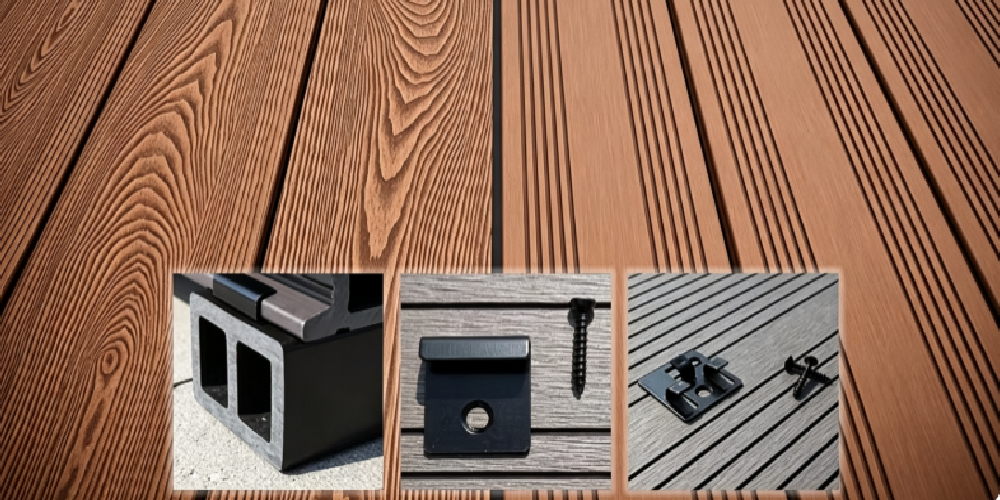
WPC decking is commonly installed using clips or other fastening systems. Some hollow WPC profiles are also designed to reduce material weight while maintaining sufficient structural performance.
Bamboo boards can require careful pre-drilling and fastening to reduce the risk of splitting. Correct spacing is also important because outdoor materials can experience dimensional changes as temperature and moisture conditions vary.
For either material, proper joist spacing, drainage, ventilation, expansion gaps, and fastening methods are essential to achieving a durable deck.
Outdoor spaces are popular for modern homes. A nice deck lets you relax and hang out with friends, and fencing keeps your yard private. Design them separately, and they may not match.
WPC decking and bamboo decking are both popular choices. Although they can both create an attractive outdoor surface, their composition, weather resistance, maintenance requirements, and long-term performance are quite different.
The performance of WPC decking depends on much more than its surface color. Material composition, profile structure, dimensions, drainage, load-bearing capacity, and installation conditions all affect the final performance of a WPC deck.
PU stone wall panels are increasingly used for interior decoration because they can create the appearance of natural stone while being lightweight and easy to install. Although PU stone requires much less maintenance than many traditional wall materials, regular cleaning is still important for keeping its texture, color, and decorative finish in good condition.
WPC Decking has become a popular alternative to traditional timber. From realistic wood textures to contemporary wide boards, several styles are currently attracting strong customer interest.